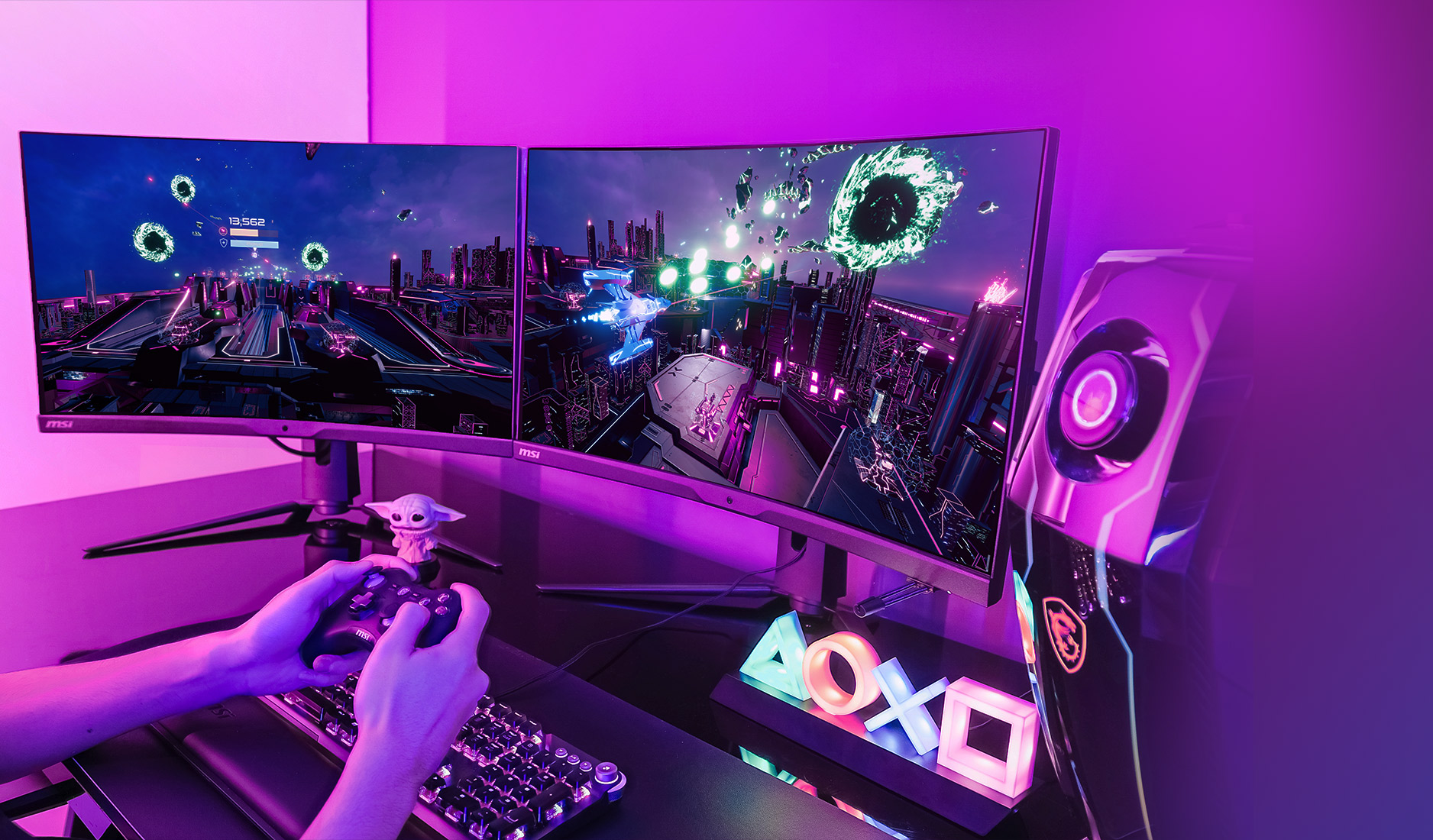
PC gaming is undergoing one of its biggest transformations in years as developers embrace AI-powered systems, cutting-edge graphics tech, and hardware that continues to push boundaries beyond consoles.
AI-Generated Worlds Take Center Stage
One of the biggest trends defining PC games in 2026 is the rise of AI-assisted world generation. Several major studios have begun rolling out systems that dynamically generate quests, dialogue, and even entire locations in real time, reacting to player choices instead of relying on pre-written content.
Early access titles using the technology have already surged in popularity on Steam, with players praising the sense of unpredictability and replayability.
Unreal Engine 6 Changes the Game
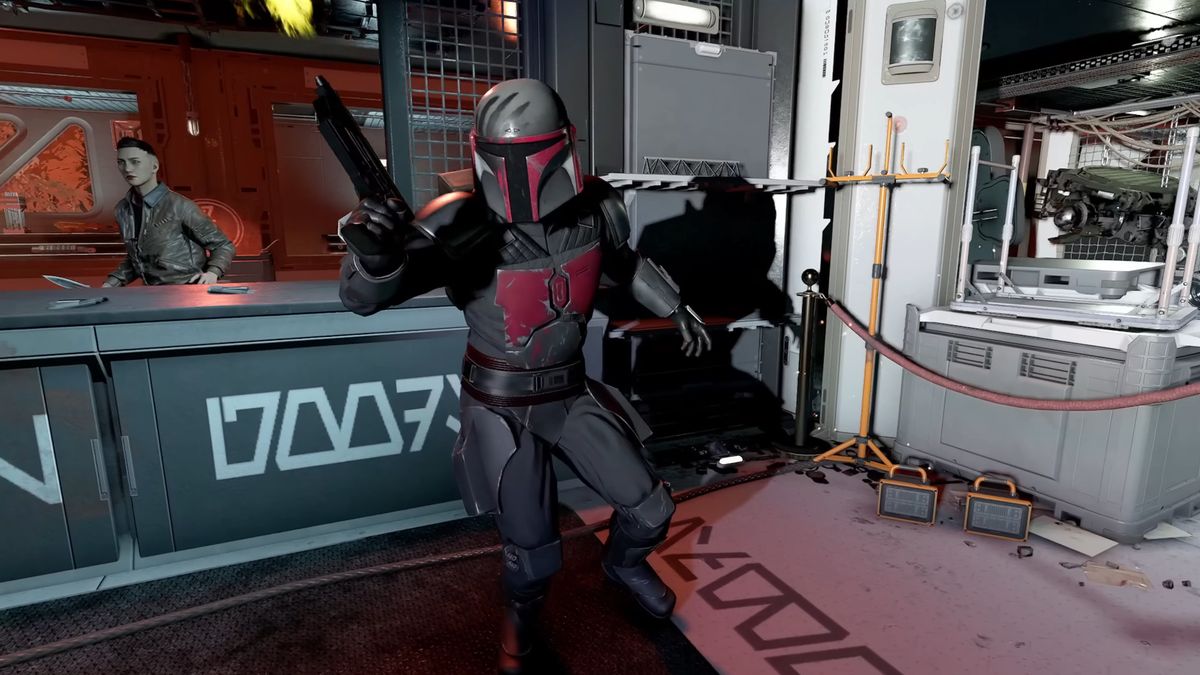
Epic Games’ Unreal Engine 6 is now powering multiple PC exclusives, introducing real-time global illumination, fully destructible environments, and near-photorealistic character models — all running smoothly on high-end PCs thanks to improved multi-core CPU optimisation.
Developers say UE6 allows them to create massive open worlds without traditional loading screens, raising expectations for what PC games can deliver.
PC Hardware Keeps Pulling Ahead
New GPU releases in 2026 have widened the performance gap between PC and console gaming. Flagship graphics cards now comfortably handle 8K rendering, advanced ray tracing, and ultra-high frame rates for competitive titles.
At the same time, AI upscaling technology has made high-end visuals more accessible to mid-range systems, keeping PC gaming flexible despite rising hardware costs.
Mods, Indies, and Community Power
Modding remains a core strength of PC gaming, with several 2026 releases launching with official mod support on day one. Indie developers continue to thrive as well, using powerful engines and AI tools to compete visually with major studios on smaller budgets.
The Future of PC Gaming
As consoles focus on closed ecosystems, PC gaming in 2026 stands out for its freedom, innovation, and player-driven creativity. With AI, next-gen engines, and community tools reshaping development, the platform shows no signs of slowing down.
PC Gaming Enters a New Era in 2026 With AI-Driven Worlds and Next-Gen Graphics Breakthroughs!
Comments (0)